HAVE ANY QUESTIONS? +254 20 366 1229

HAVE ANY QUESTIONS? +254 20 366 1229
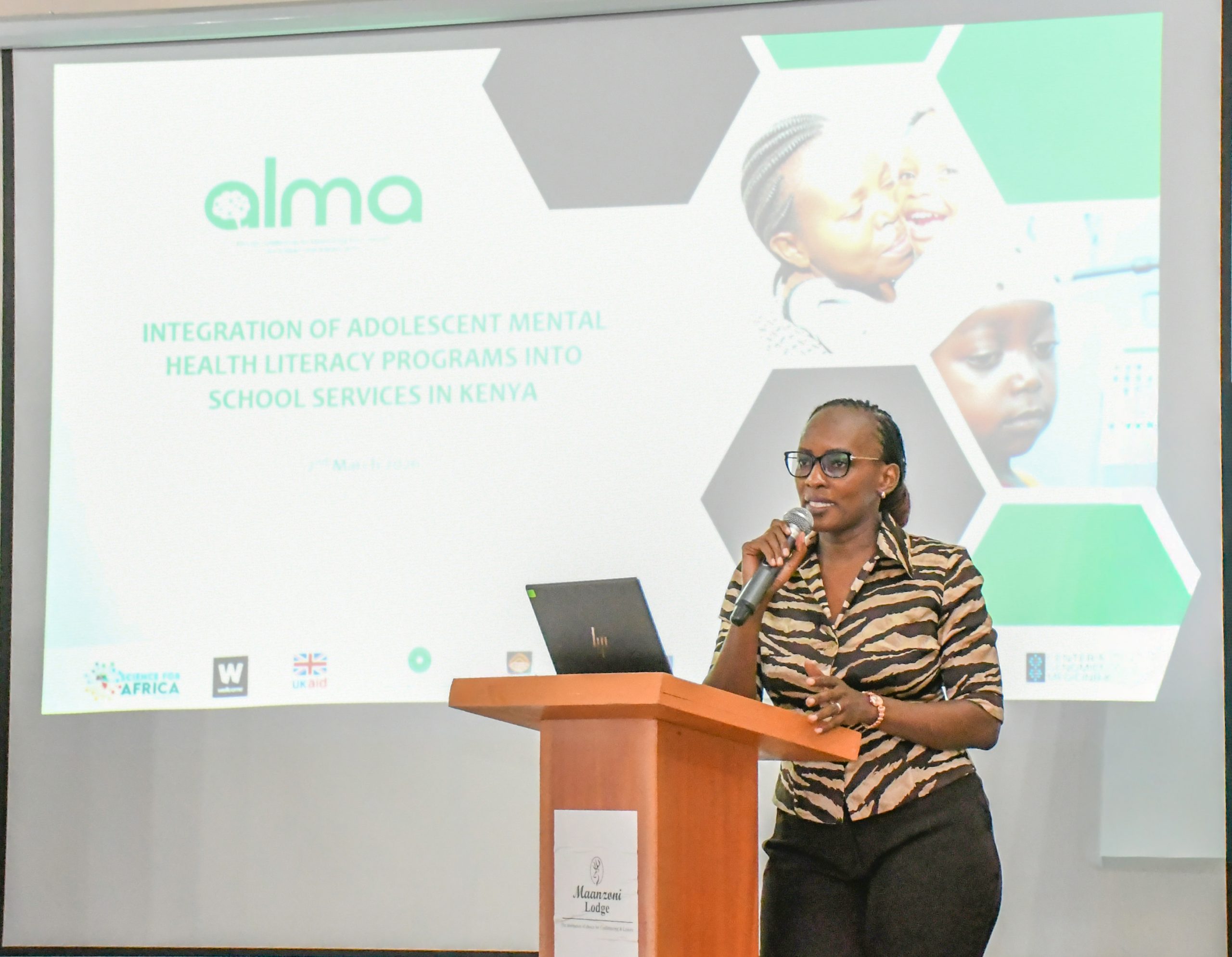
According to a 2023 study, Assessing and Supporting Mental Health Outcomes Among Adolescents in Urban Informal Settlements in Kenya and Uganda, 20.6% of school-going adolescents in Kenya reported symptoms of depression, while 19.1% reported anxiety symptoms. These figures highlight a significant mental health gap among young people. In response, a new study aims to develop a structured Mental Health Literacy (MHL) toolkit for integration into school services, while also estimating the return on investment of embedding adolescent mental health literacy within Kenya’s education system.
Titled Integration of Adolescent Mental Health Literacy Programs into School Services in Kenya, the study seeks to strengthen both health and educational outcomes by equipping adolescents with the knowledge and skills to understand mental health, reduce stigma, build coping strategies, and seek support when needed. While this will be the first structured MHL toolkit of its kind in Kenya, similar interventions have been implemented in countries such as Iran, Ethiopia, Nigeria, and India. Lessons from these contexts are being adapted to Kenya’s cultural and educational landscape.
Housed at the Aga Khan University Institute for Human Development (IHD), the research is led by Easter Olwanda, an ALMA (African Leadership for Measuring Brain health in Children and Adolescents) PhD Fellow. The study began with a systematic review of school-based mental health literacy programs in low- and middle-income countries, forming the evidence base for the toolkit’s development. A stakeholder workshop held from 2nd to 6th March 2026 supported the refinement of learner materials and facilitator guides before piloting.

“This workshop is a collaborative step to ensure the Mental Health Literacy Toolkit embeds culturally responsive, age-appropriate mental health literacy content that empowers learners to recognize mental illnesses, reduce stigma, promote positive mental health, foster supportive school environments, and achieve academic success,” said Easter.
The toolkit will be evaluated through a step-wedged randomized controlled trial in Nairobi County schools, measuring outcomes such as mental health literacy, school connectedness, attendance, stigma reduction, and changes in depression and anxiety symptoms. A return-on-investment analysis will further assess whether the benefits justify scaling the intervention nationally, positioning schools as key spaces for promoting adolescent well-being.

The Head of School Health Programmes in Nairobi County, Mohammed Abdi Dayow said “This tool will make it easier to implement School Health Policy and guidelines in Nairobi City County through the School Health Programme. It will also be critical in helping the Nairobi County School Health officials in implementing mental health programmes and in making decisions regarding mental health in schools in the County.